The China Birdwatching Society has just announced that the 3rd China International Birding Festival will take place around Laotieshan in Lushun District, Dalian, from 20-22 October 2017. Sponsored by the State Forestry Administration and Dalian Municipal People’s Government, the festival aims to promote birding and wildlife conservation as well as celebrating the world-class migration hosted by Lushun every spring and autumn along the East Asian Flyway. The centrepiece will be a 24-hr “bird race” involving teams of up to four people.
The opening ceremony of the 1st festival was interrupted by low-flying Oriental Honey Buzzards!
It’s a fabulous way to promote birding. The local government, especially the local governor, Mr Yi, deserves great credit for supporting the establishment of what has become the premier annual birding event in China. You can read about the 1st and 2nd festivals here and here. This year’s event will be covered by local and national media and it promises to be the biggest yet..
Lushun governor, Mr Yi, toasting “The Foreign Flappers” at the opening dinner in 2016.Laotieshan is situated at the southern tip of the Liaodong peninsula in Liaoning Province. Just one look at the geographical position will tell any birder it must be a brilliant place for autumn migration. And it is!
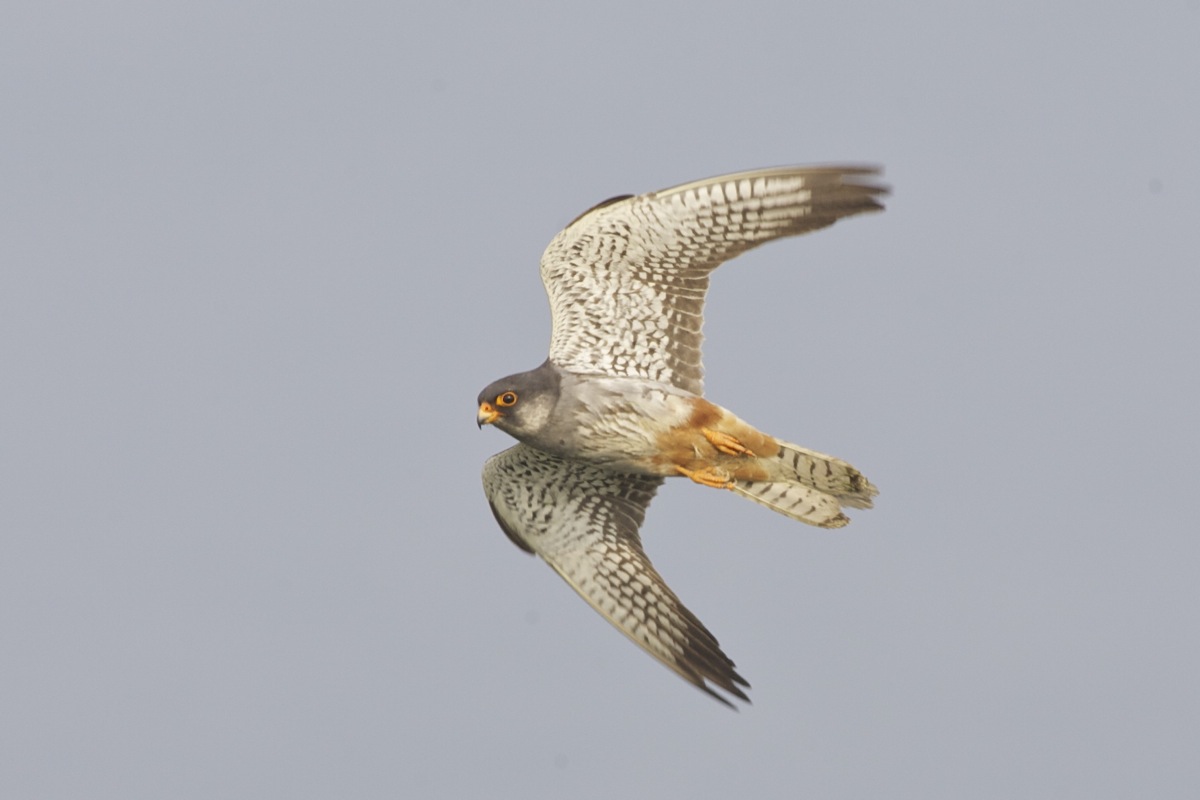
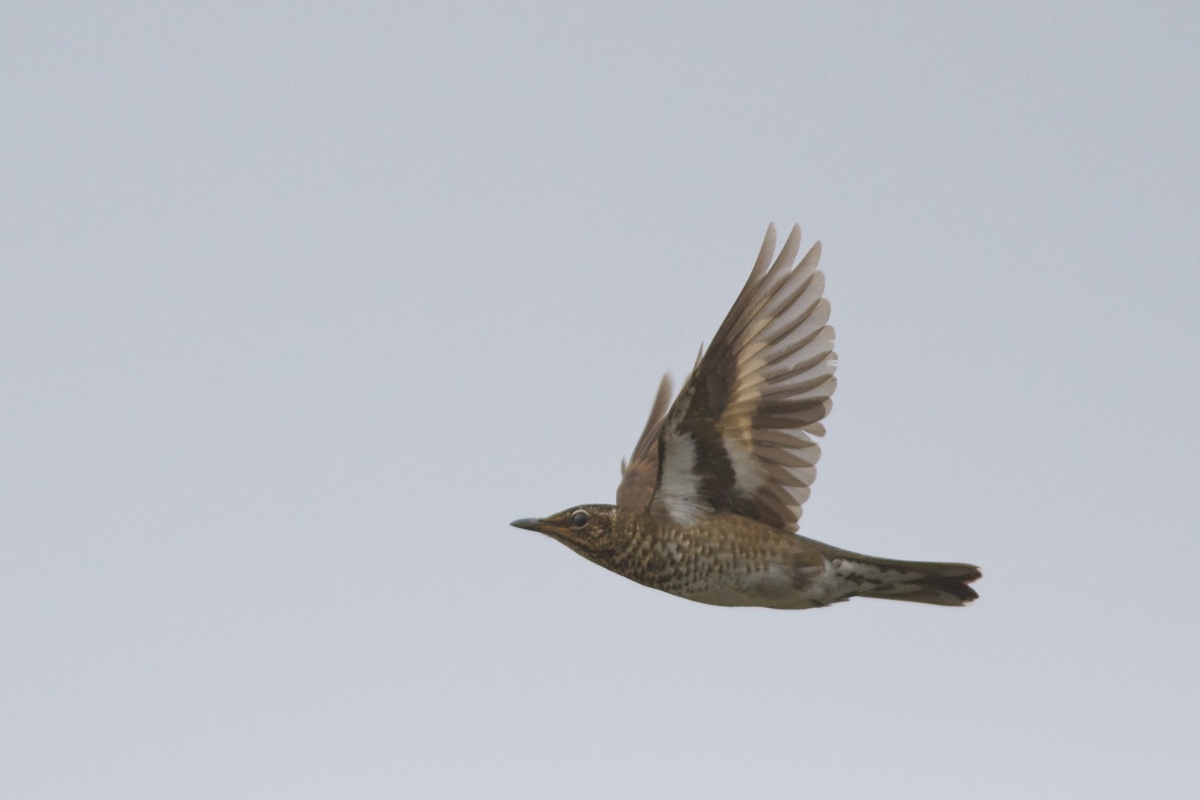
With a mouth-watering array of species possible, including Baikal Teal, Oriental Stork, Streaked Shearwater, Japanese Sparrowhawk, White’s Thrush, Mugimaki Flycatcher and Yellow-breasted Bunting, the festival will produce some top quality birding. For those interested in participating, the local government will cover transfers to and from the airport in Dalian, the accommodation cost and most meals. Participants must pay their own travel costs to Dalian.
Teams from outside China are welcome to participate and registration is now open. There are a limited number of spaces so, if you are interested, please contact Rita on email: h12@wbag.org or on telephone +86 18600686862 before the deadline of 12 August.
To register, simply provide the following information: Organisation (if any), Team Name and then, for each participant, the full name, gender, age, WeChat ID (if any), Telephone number, ID or passport number and flight/train arrival/departure times.
Laotieshan is famous for its passage of Oriental Honey Buzzards. Peak passage will have passed by the time of the festival but it’s a species that should be recorded by most teams.
Good luck to everyone participating and see you there!
Last week I was honoured to represent BirdLife International and the Oriental Bird Club at the 2nd China International Birding Festival in Lushun, near Dalian in Liaoning Province. The centrepiece was a one-day ‘bird race’ in which teams of three to four people attempted to record as many species as possible at four pre-selected sites around the district. This year I was delighted to be joined by two friends from the UK – Brian Egan, who manages the UK’s Rare Bird Alert, and Rob Holmes, for whom the best title we came up with was “ex-YOC member from Suffolk”. Together with Marie, we formed the “Foreign Flappers”, one of 21 teams to take part.
Google map showing the location of Laotieshan, Lushun, in southern Liaoning Province
The Festival was again supported by the local government and organised by the China Biodiversity Conservation and Green Development Foundation (CBCGDF) and the China Birdwatching Society. The aim was to raise the profile of birding in China and to celebrate the world-class migration hosted by Lushun every spring and autumn on the East Asian Flyway. For more about this magnificent place, see this post.
Terry signing in for BirdLife International
The professionalism of the opening ceremony demonstrated the importance the local government places on wild birds. The Lushun Party Secretary, Mr Yi opened the event and spent time meeting all of the participants over the opening dinner.
Lushun Part Secretary, Mr Yi, toasting the Foreign Flappers at the opening ceremony.
Educated at Coventry in the UK, he was fluent in English and relatively western in his outlook. He told us how he had been clamping down on poaching and strengthening the management of the Laotieshan National Nature Reserve, including the famous Snake Island, an offshore rock islet where every spring and autumn the resident Pallas’s Pit Vipers climb the trees and await tired migrants. He was proud to say that poaching incidents were down by 90% this year.
On Snake Island, Pallas’s Pit Vipers feed twice a year on migratory birds. Photo by Wang Xiaoping.
Mr Yi, who committed to hosting the event next year, asked us for advice about how to expand the birding festival to attract more participants, particularly from overseas. We told him about similar events and places overseas, for example the annual BirdFair at Rutland Water, the largest of its kind in the world, the Champions Of The Flyway bird race in Israel and other migration hotspots such as Falsterbo in Sweden and Cape May on the east coast of the United States. We promised to write to him with ideas and advice and we very much hope he will be able to visit the UK in 2017 to experience the BirdFair for himself.
The bird race was exceptionally well-organised. Each team was provided with a vehicle and driver and a local forestry administration official who acted as a guide. Judges were allocated to each site and assisted with identifications and helped to engage the public. It was a slick operation and our team recorded a respectable 81 species, with favourites including Baikal Teal, Oriental White Stork, Chinese Egret (colour ringed with the inscription “T03”), Oriental Honey Buzzard, Red-necked Stint, Lanceolated Warbler and Pallas’s Bunting.
Back of the camera photo of one of 4 ORIENTAL STORKS we were lucky to see during the bird race. Photo by Brian Egan.
After the event, we took the opportunity to visit Professor Ma Li who leads a team of volunteers focused on finding and dismantling illegal nets at Laotieshan Nature Reserve. She works with the local police and nature reserve staff and she confirmed what Mr Yi had told us – that poaching was well down this year. Prof Ma took us to some sites around Laotieshan and introduced us to a former poacher who had been ‘converted’ into a bird protection volunteer. Now he helps Ma Li’s team to find illegal nets and to catch other poachers. When we visited, he had a Japanese Scops Owl in a cage, brought to him by a local boy. It was unclear how the boy came to have the owl but it was in good condition and he gave it to us to release.
Professor Ma Li going over owl identification with former poacher, Mr Wang.
After an extra day of birding around Laotieshan, which included finding a rare Red-breasted Flycatcher and being fortunate to have stunning close-up views of the resident Finless Porpoises, it was time to leave. With so many young people participating in the festival from all parts of China, generous media coverage, the engagement of local residents and the commitment outlined by the local government leaders, we came away feeling optimistic about the future of Laotieshan and about birding in China.
The local media covered the bird festival for their main news bulletin.
And the spectacle of hundreds of Common Buzzards circling above us at the lighthouse on our final day is something that will stay with us for a very long time. Big thanks to the Lushun government, especially Mr Yi and his deputy Mr Li, the CBCGDF and China Birdwatching Society and to all of the participants who made it such a fun and inspirational event. Looking forward to the 3rd festival in 2017!
After the success of the 1st China International Birding Festival, it was with some sadness that I received a call from the Dalian Lushun Wild Bird Protection Association on Thursday evening. Volunteers had been out that day and found more than 800 metres of illegal mist nets at Laotieshan, the site of the festival. They sent me these shocking images.
Volunteers from the Dalian Lushun Wild Bird Protection Association, Laotieshan Nature Reserve staff and Forestry Police taking down illegal nets at Laotieshan on Thursday.The removal of the illegal nets came too late for this Woodcock.However, this NORTHERN BOOBOOK was lucky. After untangling this beautiful bird from the net, the volunteers released it unharmed.Stressed but unharmed. Hopefully this NORTHERN BOOBOOK will have an uneventful migration to south-east Asia.
The group’s leader explained that, when the festival was in progress, the poachers had lain low, knowing that the discovery of mist nets during the event would have embarrassed the local government and almost certainly led to severe punishment. However, now, with the spotlight turned away, the poachers were back in force. Apparently 7-8 poachers regularly haunt the Laotieshan area and every autumn there is a running battle between the criminals and the local wild bird society, Laotieshan nature reserve staff and forestry police.
One piece of good news is that the local bird group has been engaging with the poachers to try to persuade them away from catching birds to becoming bird protectors. One of them has already given up his nets and is now paid a small amount to look for, and take down, illegal nets. Discussions with a second poacher are ongoing.
As is well-known, poachers make the best gamekeepers, so I have my fingers crossed that they are successful. Whatever the result, it’s important to highlight the brilliant work of the Dalian Lushun Wild Bird Protection Group. Heroes.
After a whirlwind 48 hours, and the participation of almost 200 birders from all over China and overseas, the 1st China International Birding Festival has officially closed. And what a success it was.
The centrepiece was a 24-hour “bird race” during which 49 teams of 4 (age range 10 to 71) competed to record as many species of bird as possible by visiting 5 pre-determined sites in the Laotieshan area. Each team was allocated a volunteer student from the Dalian University of Foreign Languages, a local State Forestry Fire Prevention officer and provided with a car and driver. And, after the opening ceremony in which the Vice Mayor of Dalian and other senior government officials participated, the race began at 4pm on Friday.
The formal opening ceremony of the 1st China International Birding Festival. A grand affair!However, some were briefly distracted from the speeches when an ORIENTAL HONEY BUZZARD drifted overhead..The map of the birding locations for the 24-hour “bird race”. The birding sites are marked in red, A to E. The accommodation and event sites marked in green, F to H.
With China birding guru, Paul Holt, honourably serving as one of the team of judges, suddenly everyone else was in with a chance of victory!
Our team, including Marie Louise and two fabulous and enthusiastic young birders, Zhao Tianhao and Cheng Xi, decided to spend the first two hours of the race, and the last two hours of daylight, visiting the “Tiger Tail mudflats” where we connected with, among others, Chinese Egret, Osprey, Black-tailed and Black-headed Gull as well as Red-throated Pipit, Lanceolated Warbler and a stunning adult male Yellow-breasted Bunting in the scrub.
The “Ibisbill” team (from left to right): Zhao Tianhao, our forestry minder, TT, Marie Louise and Cheng Xi)
After the formal dinner in the evening, we arranged to meet at 0500 (half an our before dawn and the earliest the driver and forestry officer could start) to continue the race..
We first visited the saltpans from where we hoped to be lucky with Streaked Shearwater (possible, with luck, from the sea wall). We did not see one but we did connect with some shorebirds, including Red-necked and Temminck’s Stints, Dunlin, Kentish and Little Ringed Plovers, Marsh Sandpiper, Greenshank, Wood Sandpiper and Pacific Golden Plover. It was shortly after sifting through the waders that we finally saw something ‘streaked’, only it was not ‘shearing’ over the sea but hiding in a small reedbed. Astonishingly, we connected with a STREAKED REED WARBLER, an almost mythical and now almost certainly extremely rare bird. See here for some background about this species and the story of this observation.
After the excitement of the Streaked Reed Warbler sighting, we continued to increase our species list as we visited the other sites, including a wooded mountainside and a tidal estuary. An encounter with two NORTHERN HOUSE MARTINS (scarce in NE China) was a nice bonus during our last hour.
Zhao Tianhao suffered from an allergic reaction to the local scrub and took an emergency soaking to calm the itchiness!
As time wore on, our ‘guide’ slowly increased the pressure on us to get back to base – any team that was late, even by a minute, would be disqualified. So, at 1520 we left the last site and headed back for the 20 minute journey to hand in our scoresheet. In the car we made a final count – 71 species. Not bad. At the beginning of the race I had thought that 70 species would be a good score, so we were pretty pleased, even though we had, alarmingly, missed some common birds; we had seen no woodpeckers, no owls, no harriers, no Little Bunting (how did that happen?), no pheasant or quail and ‘Japanese’ was the only Tit species!
After handing in the entries the judges got to work and, following a late evening, the results were ready to be announced at the closing ceremony the following morning.
On arrival, we were ushered to a row of seats close to the front so we knew we had won an award. We were delighted to receive two – “The Black-faced Spoonbill Award” for the rarest bird seen (the Streaked Reed Warbler was always going to be a shoe-in for that) and also the 3rd place team award (our 71 species was just 3 behind the winners – Tong Menxiu’s “China Wild Tour” team.
The “Ibisbills” team receiving the 3rd place award.The China Wild Tour team receiving their award for 1st place.
In addition, I was humbled and honoured to receive the judges’ “Birding Master” award…
It was a big surprise, and a huge honour, to be presented with the “Birding Master” award.
It was hugely encouraging to see big numbers of young Chinese birders participating and, during the 24-hour race we met with teams from as far afield as Yunnan, Guangdong and Fujian, as well as several teams from host province, Liaoning and the capital, Beijing. Even better was the gender balance – there were just as many young women as men (it was never like that in the UK when I was a young birder!).
Huge thanks to the organisers, including the China Birdwatching Society, the Dalian local government, the Dalian University of Foreign Languages and all of the other volunteers… And a special thanks to my team mates – Marie Louise, Zhao Tianhao and Cheng Xi.
With participation from the highest levels of the Dalian government, including generous financial support for the event, I sensed a genuine enthusiasm for birding and an appreciation for wild birds, the scale of which I have never before witnessed in China. All around were banners stating “Protect our birds” and “Dalian – honoured to be hosting the 1st China International Birding Festival”. During the race, many of the 49 teams took the time to explain to interested passers-by what they were doing and to show them wild birds.. And the bird race was covered by national and local TV as well as print media, including the most popular Chinese language newspaper, the People’s Daily. So the event has helped to raise awareness among the general public, as well as enthusing a new generation of Chinese birders. I was heartened when one young Chinese student volunteer approached me at the closing ceremony and said “This event has made me want to be a birder”.
Forget all the trophies handed out, the most important winner of all was Birding in China.
Mongolian Gull (Larus mongolicus) with wing-tag “AC82” (top), Jinzhou Bay, Dalian, March 2013. A “right old bird” at almost 24 years old… Photograph by Bai Qingquan.
Not long after I arrived in China, I visited Liaoning Province to see my good friend, Dalian-based Tom Beeke. He very kindly showed me some of his local birding sites, including what must be the best gull-watching site in north-eastern China, Jinzhou Bay. Attracted by the nearby landfill site, thousands of gulls congregate in the area to spend the winter. Most are Mongolian Gulls but there is always a good selection with Vega Gull, Heuglin’s Gull, Common Gull, Black-tailed Gull, Black-headed Gull and occasionally something rarer like a Glaucous Gull, Slaty-backed Gull or, as I was lucky enough to see on my first visit, a Pallas’s Gull.
Before I visited, friend and co-author of the excellent Birding Mongolia blog, Andreas Buchheim, asked me to look out for wing-tagged Mongolian Gulls and, sure enough, among the large flocks of Mongolian Gull loafing on the ice in the bay, I was able to pick out several wing-tagged birds. These birds had been tagged by Andreas at various sites in Mongolia and Russia and showed that these birds, as expected, moved to the east coast of Asia in winter.
This site was so good that I went back in winter 2011/12 with Beijing-based Paul Holt, during which time we found several more wing-tagged Mongolian Gulls.
I haven’t been able to visit Jinzhou Bay this winter but another good friend, and fellow birder, Bai Qingquan from Dandong, visited there on 23 and 24 March. Qingquan estimated that there were around 6,000 gulls of 7 different species on site. Excitingly, he found two wing-tagged gulls that I had seen, together with Paul Holt, in winter 2011/12.
Even more excitingly he saw “AC82”. This bird was originally ringed as a “pullus” (nestling) on 25 June 1989 at Lake Baikal in Russia. It was subsequently caught again as an adult bird on 20 May 2005 at Airchan Nuur, Mongolia, when the metal leg ring was replaced and a wing tag (“AC82”) attached. Qingquan’s sighting is the first since the tag was fixed in 2005 and, with the original ringing data from Russia, proves that this bird is almost 24 years old! (almost as old as me.. cough). Wow.. what a record! If anyone has any information about the longevity of large gulls, I would love to know…
Another of Qingquan’s sightings was of “AF63”. I saw this bird at the same site in February 2011 and Paul Holt and I saw it again in January 2012, showing that at least some of these gulls are site-faithful in winter.. again, another valuable piece of data.
I simply love the information that can be gained through tagging programmes like this. Looking for marked birds adds another dimension to birding and it’s so rewarding to hear back from the project leaders about the history of individual birds. I urge every birder to look out for, and report, any wing-tagged, colour-ringed or any other birds marked in any way.
For more information about Andreas Buccheim’s Mongolian Gull wing-tagging programme, see here.
Sadly, it is still relatively common to find illegal mist nets in China. Most appear to be erected by poor people who will likely either eat the birds caught or sell them as cagebirds, if they are popular species. For me, it is always with a heavy heart that I try to render the nets unusable, knowing on the one hand that they are illegal under Chinese law but, at the same time, that for some people, bird trapping may form an important part of their income.
Encouragingly, the practice of trapping birds seems to be declining, with the market for cagebirds predominantly being driven by a slowly shrinking older generation, so hopefully in the not too distant future illegal mist nets will be a thing of the past in China.
Whilst at Laotieshan for several days last week we bumped into a few members of the Panjin Birdwatching Society (from northern Liaoning). The group, led by the famous Mr Zhang Ming (a very talented photographer) was predominantly interested in bird photography and were visiting to take advantage of the raptor migration at Laotieshan. Mr Zhang told us about the sighting of a Band-bellied Crake on a very small pool near to Dalian city.. Having never seen this species, Mr Zhang and his friends offered to take us there.. so off we went in a small convoy of 4x4s for the short journey to the site. After stopping for a delicious lunch, during which Mr Zhang showed us some stunning images of rare and difficult to see Chinese birds, including Jankowski’s Bunting, we arrived at the site and began to look for the specific pond. It wasn’t long before we found it but, despite observing the weedy fringes for close on 2 hours, there were no signs of any crakes and we were forced to assume that the bird had moved on. Whilst exploring the site we came across several illegal mist nets, some of which held live birds. It was pleasing to see the Panjin Birdwatching Society members rescue the birds, take down the nets and destroy them. And much better that they were taken down by Chinese birders and not ‘interfering foreigners’..!
Members of the Panjin Birdwatching Society proudly displaying their society’s flag, alongside Paul Holt and Wang Qingyu, Dalian, Liaoning Province.Mr Zhang, who must be one of China’s most talented bird photographers (and a very nice guy).Mr Zhang junior saved this Common Kingfisher from one of the illegal mist netsThis Brown Shrike was also released from the illegal mist nets.This Yellow-browed Warbler, although released, was very poorly and, sadly, probably didn’t make it.
I have been meaning to post these images for a while. In late January, when I was in Dalian, I made two visits to Jinzhou Bay, a fantastic winter gull site (and also a great site for White-tailed Eagles). By far the most common gull was Mongolian (3-4,000) with Vega Gull also well represented alongside a sprinkling of Common, Black-tailed, Black-headed and Glaucous. Among them were a few dark-mantled and yellow-legged large gulls. These are presumed to be the ‘taimyrensis‘ subspecies of Heuglin’s Gull, considered by some to be a hybrid between Vega Gull and nominate Heuglin’s Gull.
Whatever they are, they are smart gulls. In late January most were sporting significant head streaking, including the typical East Asian ‘shawl’ of patterning on the lower nape. They were relatively large, on a par with Vega in terms of size with mantle shade in between nominate Heuglin’s and Vega Gull. I estimated that there were around 30-40 of these gulls on site. All images taken in late January. Comments very welcome!
Presumed ‘taimyrensis’ gull. Note mantle shade, yellow legs and head streaking.
Note heavy head streaking.
This individual has reduced head streaking. Iris pale yellow. Note shade of mantle compared with Vega Gull behind.Reduced streaking on head, limited to lower nape. Extensive red gonys spot but not leaking onto upper mandible.This image shows white ‘mirrors’ on p10 and p9.
This individual is still moulting its primaries. Looks as if there is a ‘mirror’ on the new p10.
One of the highlights of my recent trip to Liaoning Province was the opportunity to see so many gulls at Jinzhou Bay (we estimated over 4,000). This number must make Jinzhou Bay one of the premier gull-watching sites in northern China (if you know of a comparable site, please let me know!). The channel of running water alongside the landfill tip was a favoured haunt of Common Gulls (Larus canus) and, over the two days I spent at this site, I saw several young birds, presumably of both the subspecies found in this area – kamtschatschensis and heinei. Here are a few images and personal comments. Please let me know if you disagree with my identification or if you have more to add.
The kamtschatschensis bird, in particular, would certainly stand out if it turned up in the Western Europe!
First winter Common Gull of the subspecies kamtschatschensis, Jinzhou Bay, Dalian, Liaoning Province. Note the dark, well marked underparts and strongly barred undertail coverts.First winter Common Gull subspecies heinei, Jinzhou Bay, Dalian, Liaoning Province, 25 January 2012. Note the very clean, white underparts.First winter Common Gull ssp kamtschatschensis, Jinzhou Bay, Dalian, Liaoning Province, 25 January 2012. The upperparts are well-marked and the moult of juvenile feathers seems to be later than the heinei ssp below.First winter Common Gull ssp heinei, Jinzhou Bay, Dalian, Liaoning Province. Much cleaner, especially the uppertail, and more advanced moult, notably on the scapulars.
It’s difficult to tell from these images but, in the field, the kamtschatschensis bird appeared to be stockier with a slightly longer bill.
Second winter Common Gull, Zhuanghe, Liaoning Province, 28 January 2012. I suspect this individual is of the subspecies kamtschatschensis. Aged as a second winter due to the presence of some adult-type wing feathers, the small white 'mirror' on the outer primary (P10) and the relatively clean tail. Note the brownish fringes to some of the coverts, a good feature of second winter kamtschatschensis.Second Winter Common Gull, Zhuanghe, Liaoning Province, 28 January 2012. Probably of the ssp kamtschatschensis. Same bird as above.
Many birders, being obsessive types, like to keep lists of the birds they have seen. This could be a “life list” (a list of the total number of species seen in one’s life), a “year list”, the total seen in a given year etc. Many people keep national lists, for example a UK or China list. I have to confess that I don’t know how many species I have seen in the UK (I know it’s roughly 400) and I have been lax recently at keeping my China list up to date (somewhere between 500 and 520). However, I can proudly say that I know exactly the number of bird species I have seen in North Korea – 7!
Under the listing ‘rules’ it matters not that I haven’t actually been to North Korea as all have been seen over N Korean airspace from the China side of the border…
I have just returned from a few days in Liaoning Province with Paul Holt, Tom Beeke and Dandong-based birder Bai Qingquan – the perfect opportunity to boost my North Korea list! We visited some sites in Dalian, southern Liaoning, before driving north to visit the area in and around Dandong, including the Yalu River, the waterway marking the border between China and North Korea. In stunning weather, and temperatures approaching -20 at times, we saw some pretty special birds with the constant backdrop of North Korea providing a fascinating distraction.
Birding highlights from the trip north included Brown-eared Bulbul, Japanese Pygmy Woodpecker, White-backed Woodpecker, Varied Tit, Hazel Grouse, Cinereous (Black) Vulture, Alpine Accentor, Relict Gull (at Zhuanghe) and Slaty-backed Gull. Another spectacle was the sight of 25 White-tailed Eagles at Jinzhou Bay, near Dalian, in the company of over 4,000 gulls, attracted by a landfill tip. Birding takes us to some glamourous places.
Brown-eared Bulbul, Hushan (Tiger Mountain) Great Wall, Liaoning ProvinceJapanese Pygmy Woodpecker, Feng Huang Shan, north-west of Dandong, Liaoning ProvinceVaried Tit. A common resident at Feng Huang Shan.Eurasian Nuthatch ssp amurensis, Feng Huang Shan, Liaoning Province
I began my visit by meeting up with Paul Holt at Dalian airport and heading to Dalian and Jinzhou Bays. Dalian Bay, on the eastern side of the peninsula, was largely ice-free and produced an adult Glaucous Gull, Vega, Mongolian and Black-tailed Gulls, Goosander, Red-breasted Merganser, Great Crested and Little Grebes, Mallard, Falcated and Chinese Spot-billed Duck. After an hour or so we crossed to the west coast to visit Jinzhou Bay. Here the sea was frozen as far as the eye could see and an impressive group of around 4,000 gulls was loafing on the ice. They were attracted by the large landfill site bordering the bay and this food source is clearly the reason why Jinzhou Bay must be one of the best gull-watching sites in northern China.
The vast majority of the gulls were Mongolian, with a sprinkling of Vega (a few hundred), Heuglin’s (up to 100), Common (20-30), Slaty-backed (3-5), Glaucous (2-3), Black-headed (2) and Black-tailed (2). Paul Holt also saw a first winter Pallas’s Gull at this site before I arrived. Searching through the Mongolian Gulls, recalling my sighting of 3 wing-tagged birds in February 2011 at this site, we were able to find a total of 5 wing-tagged birds during our visit (2 of which Paul and I both saw, 3 of which Paul found before I arrived and one after I left). These birds were ringed by Andreas Buchheim and colleagues under a ringing scheme operated in Mongolia and Russia’s Lake Baikal.
The gulls were not the only scavengers attracted to the tip. Each day we were there, a group of locals sifted through the rubbish and collected anything recyclable – bottles, cardboard, paper, metal etc.. It has to be one of the dirtiest jobs – they were black with grime – but despite the working conditions, they were a jolly bunch, laughing and joking with each other and they seemed thoroughly bemused that a couple of foreigners were joining them on the tip looking at gulls…. We showed them eagles through our telescopes and they showed us sacks of scrap paper.. 🙂
One of the locals collecting recyclable wasteIt's a dirty job…The constant flow of trucks provided a high turnover of rubbish through which to look for recyclables..Despite their working conditions, these people were very jolly, friendly and more than a little bemused that two foreigners were looking at gulls!
Just north of the landfill, a still unfrozen stream flowed into the bay, attracting some duck – mostly Mallard but also some Chinese Spot-billed Duck, Ruddy and Common Shelduck. In turn, these attracted the attention of birds of prey and we counted 25 White-tailed Eagles in the bay on Sunday morning – an impressive count for anywhere in China. The stream also proved popular with the Common Gulls and we saw both henei and kamtschatschensis subspecies here. I’ll follow up this post with a dedicated gull post soon.
One of the 25 White-tailed Eagles at Jinzhou Bay. The vast majority were immature birds and they caused havoc during their occasional forays over the bay.When one eagle found something to eat, it would soon be harrassed by the others trying to steal its find.
And this Merlin flashed through, surprisingly putting up most of the gulls as it did so..
Merlin, Jinzhou Bay, Dalian.
From the landfill at Dalian, we drove north to meet with Tom Beeke at Jinshitan and set off to Dandong, a city of 2.5 million people on the North Korean border. Here we met up with local birder (possibly the only birder in northern Liaoning!), Bai Qingquan, a great guy who was not only a talented birder but also excellent company and extremely knowledgeable about the sites in this special province.
The gang in Dandong. From left to right: Mr Zhang (our driver), Tom Beeke, Paul Holt and Bai Qingquan
We started birding along the promenade in Dandong, just a few hundred metres from North Korea which we could see clearly just across the Yalu river. Dandong is an interesting city. It is home to the “Sino-Korean Friendship Bridge”, one of the few crossings between the two countries and, immediately next to this is another bridge – the “Short Bridge” – that was partially destroyed by a US bombing raid during the Korean War. The town also hosts a museum dedicated to the “War to Resist US Aggression”… We didn’t have time to visit but next time I am in town, I fancy a look in there!
We tried several sites along the river from Dandong and to the north looking for Scaly-sided Merganser. This rare bird is regular along this stretch of river in spring and autumn, breeding a little further north and wintering in central and southern China. This winter had been unusually mild with no snow and Bai had seen the Mergansers in December, so we thought we’d try our luck. Unfortunately, despite 4 pairs of eyes scanning the river, we drew a blank. Next we visited the Hushan (Tiger Mountain) Great Wall, catching up with Brown-eared Bulbul, Alpine Accentor and enjoying panoramic views of North Korea.
North Korea, as viewed from the Great Wall, north of Dandong.
The next day was spent at Feng Huang Shan, a mountain roughly an hour north-west of Dandong. It was a bitter -18 here but, after driving up almost to the summit, the birding was spectacular. Almost immediately we encountered a Varied Tit, followed by a couple of White-backed Woodpeckers and then at least 3 Japanese Pygmy Woodpeckers, all within a few minutes of getting out of the car… Superb! We wandered up and down the track and, after hearing at least two Hazel Grouse calling, a careful 30-minute stalk was eventually rewarded with views of a male perched on a rock on a hillside.. fantastic.
Hazel Grouse, Feng Huang Shan, Liaoning Province
On the way back south, we stopped at Zhuanghe, a port town between Dandong and Dalian, to look for Relict Gulls, a large flock of which Paul found a few days before. We saw only a handful, probably due to the high tide, but with a little time on our hands we decided to look at the deep-water harbour for sea duck. As we arrived, a ferry was about to leave to some of the outlying islands and, with a bit of negotiation from Qingquan, we were soon on board and sailing through an almost Antarctic-esque ice-filled sea. It was bone-chillingly cold on deck but we were rewarded with over 60 Long-tailed Duck as well as good China species such as Pelagic Cormorant, Slaty-backed Gull and Red-breasted Merganser.
From left to right: Tom Beeke, Bai Qingquan and Paul Holt. On the ferry from Zhuanghe to outlying islands.Our first stop.The sea was almost Antarctica-esque..!
After returning to Zhuanghe around dusk, we headed into town to find Qingquan a taxi back to Dandong and to warm up with some hot food before heading south to Dalian. A thoroughly enjoyable trip…
So, after all that, what are the seven species on my North Korea list? They are, in chronological order, Saunders’ Gull (from Sep 2011), White-tailed Eagle, Mongolian Gull, Kestrel, Goldeneye, Goosander and Mallard. Anyone beat that?
On Saturday I met up with Peter Cawley – from my original local patch at Winterton in the UK – and flew across to Dalian for the onward journey to Laotieshan, the southern tip of the Dalian peninsula. It is here that we will be basing ourselves for at least a week to experience the autumn migration.
We arrived in the late afternoon and met up with Paul Holt who had arrived at lunchtime that day and had managed a few hours birding in the afternoon. Given the recent settled weather, our expectations were not so high but his report certainly whetted the appetite – in just four hours he had seen over 1,000 Oriental Honey Buzzards, over 1,200 Red-rumped Swallows and a good sprinkling of other birds – Amur Falcon, Goshawk, Osprey and White-throated Needletail. Not bad. Sunday was our first full day and it was simply stunning. Over 600 Ashy Minivets, at least 300 Oriental Honey Buzzards, over 100 Black-eared Kites, 3 Black Storks and between 30 and 40 Japanese Sparrowhawks with good numbers of Eurasian Sparrowhawks, Hobbies, Amur Falcons, Kestrel, Osprey and Peregrine as the supporting cast. This site is awesome!
Some early images below……
Oriental Honey Buzzard, Laotieshan, 25 September 2011. Honey Buzzards exhibit a wonderful array of plumages; this one is very rufous on the underparts.
Japanese Sparrowhawk, Laotieshan, 25 September 2011. These compact birds have tonnes of character…
After a couple of visits to Liaoning Province, I have been captivated by the birding promise, including the coastal mudflats between Dalian and Dandong and the migration potential at the southern tip of the peninsula, Laotieshan. Last weekend I nipped across to Dalian, hired a car and went looking for shorebirds. I was determined to make it as far as Dandong, on the North Korean border, a place that very few birders visit. I had heard from Dalian-based Tom Beeke about the huge mudflats at the Donggang, just south of Dandong, so I knew the shorebird watching would be awesome.
The location of Dandong and Donggang on Google Earth
Sites on the coast between Dalian and Dondang.
It was great that Tom could join me for a half day and, after picking him up at Jinshitan (and seeing another old friend – see below), we spent the afternoon at the estuary north of Pikou, an excellent wader site between Dalian and Zhuange, on the way to Dandong.
"Sandy" at Jinshitan… a colourful reminder of the world volleyball championships held in Jinshitan a few years ago..
On the falling tide we set up our scopes and settled in for an excellent couple of hours watching the flocks of waders fly from their roosts to the freshly exposed mud to begin feeding. It was quality birding with groups of Great Knot (26), Red Knot (3), Bar-tailed Godwit (161), Red-necked Stint (14), Grey (60), Pacific Golden (3) and Kentish Plovers (122), Grey-tailed Tattler (1), Terek Sandpiper (11), Marsh Sandpiper (25), Broad-billed Sandpiper (6), Greenshank (3), Far Eastern (14) and Eurasian Curlew (4), Whimbrel (5), Dunlin (63), Lesser Sand Plover (1), Saunders’ Gull (2), Caspian Tern (9) and Chinese Egret (10).
Great Knot, north of Pikou, Liaoning Province
We also checked out a few sites in between Dalian and Pikou and picked up Great and Little Egrets, Mongolian, Vega, Black-tailed and Black-headed Gulls, Temminck’s Stint, Sharp-tailed Sandpiper and many Yellow Wagtails.
I then left Tom and made my way up to Zhuanghe. Here I enjoyed a healthy number (18) of Black-faced Spoonbills feeding on the estuary (a successful breeding season?), as well as good numbers of Far Eastern Curlews (57), Kentish Plover (160), Little Ringed Plover (1), Grey Plover (35), Spotted Redshank (6), Wood Sandpiper (2) and a single Blue Rock Thrush.
From here I drove up to Dandong and spent a whole day at the mudflats at Donggang. These mudflats are vast…. I estimated 10,000 birds on the mud but, unfortunately, the tides were not great during my visit.. there wasn’t really a high tide, just a low tide and a lower tide (despite trawling the internet before the visit, I couldn’t find any information about tides in this area). Hence, the waders were widely spread and, despite trudging out onto the mud with my locally bought 12 Yuan (GBP 1.20) pair of plimsoles, I was only able to scan carefully one large group of around 1,500 birds. I was convinced that there was a juvenile Spooner out there somewhere but, if there was, I didn’t find it.
Local fishing boats near DonggangShellfish collectors on the estuary at low tide… tough work.Birding the mudflats at Dongdang.. Getting muddy is a requirement here….
Despite that, there were some impressive counts… over 500 Kentish Plover, 200 Great Knot, 100 Far Eastern Curlew, 30 Eurasian Curlew, 300 Grey Plover, 120 Red-necked Stint, 75 Bar-tailed Godwit, 60 Saunders’ Gulls, 250 Black-headed Gulls, 4 Terek Sandpiper, 600 Dunlin, 3 Broad-billed Sandpiper and 23 Greenshank.
Dunlin, near Pikou, Liaoning Province
A couple of local fishermen turned up and set up their rods on the ‘jetty’ which led me to think that the tide might be coming in… I asked them about the tide and they said that at 3pm the water would be in as far as the jetty… Great, I thought… it was now 1.30pm so I settled in and waited for the birds to come to me, forced closer by the incoming tide… I waited… and waited… At 3pm the water was still a long way out (at least 500 metres) and seemed to have stopped edging closer. Then a couple of other locals arrived and started laughing with (or at?) the fishermen… they said that the water was not going to come anywhere near the jetty today.. By this time the tide had just about come to a standstill and my heart sank. It was clear that the second group of locals were right and that the ‘high tide’ simply wasn’t very high that day. I made a few final scans before leaving to check the pools inside the sea wall a little further north.
Pacific Golden Plovers
The pools were also productive with 5 Long-toed Stints, Common Snipe, 2 Ruff, 4 Temminck’s Stint and 6 Red-necked Stints along with more Far Eastern Curlew. A nice side show included 2 Grey-faced Buzzards and 4 Pied Harriers in off the sea (defecting from North Korea!).
Saunders Gull with North Korea in the background…Great Egret near Dandong, Liaoning Province
As dusk approached I made my way back south to spend the night in Zhuanghe. The following morning I birded two areas 10-15kms south of Zhuanghe. Here the high tide had pushed the birds right up to the road and I was able to sit and enjoy a fabulous few hours of birding as the tide turned and groups of birds flew in to feed on the first exposed mud.
Here I enjoyed more Great Knot, Red Knot (2 juveniles), Dunlin, Bar-tailed Godwit, Marsh Sandpiper, Greenshank (over 250), Kentish Plover, Whimbrel, Far Eastern and Eurasian Curlew, Lesser Sand Plover and Oystercatcher.
I drove on to the river estuary north of Pikou and settled in for what turned out to be another fantastic spell. On the falling tide, shellfish collectors were digging on the furthest stretch of mud forcing the birds close to me. I enjoyed spectacular views of many of the waders and counted 18 Broad-billed Sandpipers, 53 Red-necked Stints, 38 Oystercatchers, 31 Bar-tailed Godwits, 350+ Dunlin, 200+ Kentish Plovers, 4 Terek Sandpipers, Eurasian, Far Eastern Curlews, Whimbrel, Grey and Pacific Golden Plovers, Grey-tailed Tattler, Red Knot, Great Knot, Sanderling (my only one of the trip) and a good count of 24 Caspian Terns roosting on the spit.
Far Eastern Curlews
My final stop was at some salt pans just north of Pikou. Here I encountered 12 Temminck’s Stints, 14 Spotted Redshank, 4 Little Ringed Plovers and 2 Long-toed Stints.
Long-toed Stint
So, no Spooner, Nordmann’s Greenshank or Asian Dowitcher but a thoroughly enjoyable trip, nonetheless.. all the more interesting given the location and the fact that hardly any birders ever visit. I am sure if the area was covered regularly, all sorts would be found – it clearly has bags of potential and would make a fantastic local patch!
Well, it didn’t rain but the wind did turn to the north and, with low cloud for the first few hours of Thursday morning, there were plenty of migrants about and we enjoyed an excellent day. We had planned our return flight deliberately to allow a full final day in the field and we were glad we did with two new birds in the last couple of hours of birding – White’s Thrush and Yellow-legged Buttonquail.
The day started promisingly with lots of visible migration from the lighthouse. A few Yellow Wagtails, Chinese Grosbeaks, Black-naped Orioles and Fork-tailed Swifts were moving and the whole are seemed ‘birdy’ with singing Lanceolated Warbler in a bush next to the watchpoint and Asian Brown and Dark-sided Flycatchers seemingly on every available perch. Dusky and Radde’s Warblers called regularly from the scrub.
It wasn’t long before Jesper picked up a calling Pechora Pipit as it flew overhead – the first of two – and a small flock of sparrows that landed in a tree next to the lighthouse turned out to be Russet Sparrows (after we scored the first record for this species in Liaoning Province earlier in our trip, it’s status has seemingly changed from rare to common in the space of a few days!). Or maybe it’s an unprecedented influx. Who knows?
3 Black Drongos dropped in to a treetop already holding 6 Chinese Grosbeaks and a Dark-sided Flycatcher and two of a flock of 6 Chestnut Buntings landed in a nearby tree, allowing excellent views of this very smart bird.
After an hour or so, Spike and I decided to leave Jesper and his group and walk up the ridge to gain a broader vantage point. From here we enjoyed more Black-naped Orioles, a group of 6 Asian House Martins that came in off the sea (the first of 9 in total for the day) and 3 more White-throated Needletails among over 100 Fork-tailed Swifts. A pair of Hawfinches toured the area around the lighthouse before heading inland and a Peregrine hung in the wind to the displeasure of the local magpies. A cuckoo (not identified to species) came in off the sea and a Chinese Sparrowhawk came in low and hugged the ridge as it made its way inland. This was quality vis-migging!
A record image of one of 9 Asian House Martins seen on 19th.A record image of the Chinese Sparrowhawk at Laotieshan, 19 May 2011
The skies were very busy until about 0900 when the sun began to burn off the cloud and the flow of birds gradually slowed to a trickle. At this point we began to search the surrounding hillside, shrubs and lighthouse garden. Many new birds had arrived with good numbers of flycatchers, lots of Thick-billed Warblers, a sprinkling of phylloscs (including our first (singing) Arctic Warblers of the trip), Common Rosefinch, Black-browed Reed Warbler, Forest Wagtail, etc.. Everywhere we walked there were birds. Not a huge ‘fall’ but certainly a decent new arrival, clearly prompted by the change in wind direction (it was in northerlies that we enjoyed so many birds at the beginning of our trip).
After a spot of lunch at the lighthouse car park, where the locals told us that “in September the sky is full of birds”, we began to explore a track that, at first we thought would just take us onto a piece of waste ground but instead looped round underneath the lighthouse through an area of sloped open woodland, some great gullies and coastal scrub. It was here that we flushed the Yellow-legged Buttonquail from a grassy verge on the entrance track to a seemingly abandoned hotel complex and, from a shaded gully, the White’s Thrush flew up and perched briefly before disappearing into the thicket above us. We wish we had discovered this area earlier as it obviously had great potential!
After a final visit to the lighthouse garden we reluctantly walked the track to the main road to catch the bus to Lushun for a bite to eat before picking up our bags from the hotel and making our way to the airport. We had enjoyed a fantastic trip and were probably the first western birders to cover this area in spring – a real feeling of pioneering. I can only imagine what would be discovered at Laotieshan if the area was systematically covered over the peak weeks on a regular basis. I am sure that a few surprises would be uncovered. As a southerly jutting peninsula, Laotieshan is almost certainly even better in Autumn so we plan to return in late September (the locals say that, on average, the 20th is the peak date for birds of prey) to see.. having been there and scouted the area, we now have a pretty good idea of the best areas. There is plenty of good habitat for migrants, the majority of which is very undisturbed, so it is not only great for birds but also a real pleasure to walk around and enjoy…
I’ll post a full trip report in a few days, together with a full species list for the trip (over 150). In the meantime, here are a few more images of the habitat and the species list for yesterday.
The lighthouse at Laotieshan seen from the 'vis-mig' watchpoint, early morningThe lighthouse garden.. flycatchers, buntings and warblers were all seen along this stretch during the tripThe view from the lighthouse across the garden to the entrance gate. Pale Thrush and Rufous-tailed Robin were seen here.The steps down to the sea-watching pointThe seawatching point at Laotieshan lighthouse. We saw good movements of Streaked Shearwaters during our visit, mostly in the evenings.Typical habitat on the ridge… a series of trails make covering this area easy.Me introducing the locals to shorebirding at Pikou… Photo: Tom BeekeScanning shorebirds on the incoming tide… at this spot, between Pikou and Zhuange, we saw around 1,000 Dunlin, hundreds of Great Knot and Bar-tailed Godwit and many other species including Red-necked Stint, Terek and Sharp-tailed Sandpiper, Bar-tailed Godwit, Grey Plover, Red Knot and Greenshank. Photo: Tom Beeke
Species List (in chronological order of first sighting):
Fork-tailed Swift (106)
Chinese Bulbul (18) – including a flock of 16 migrating out to sea
Common Pheasant (1)
Dark-sided Flycatcher (7)
Lanceolated Warbler (7) – including one singing from our watchpoint
Grey Wagtail (1)
Radde’s Warbler (4)
White-cheeked Starling (3)
Chinese Grosbeak (25)
Dusky Warbler (5)
Hawfinch (2)
Barn Swallow (40)
Two-barred Greenish Warbler (5)
Black-naped Oriole (17)
Olive-backed Pipit (12)
Black Drongo (6)
Spotted Dove (1)
Eurasian Siskin (1)
Common Rosefinch (3)
Red-rumped Swallow (24)
Russet Sparrow (9) – including one flock of 8 briefly at the lighthouse
Chestnut Bunting (6)
Yellow Wagtail (61)
Pechora Pipit (2)
Stonechat (1)
Black-browed Reed Warbler (9)
Oriental Greenfinch (4)
Common Pheasant (4)
Great Tit (6)
Brown Shrike (9)
Vinous-throated Parrotbill (12)
Asian Brown Flycatcher (11)
Siberian Rubythroat (1)
Taiga Flycatcher (3)
Thick-billed Warbler (9)
Siberian Blue Robin (7)
Brambling (1)
Yellow-rumped Flycatcher (7)
Forest Wagtail (2)
White-throated Needletail (6)
Sand Martin (9)
Hobby (2)
Asian House Martin (9)
Black-tailed Gull (80+)
Richard’s Pipit (2)
Eurasian Sparrowhawk (1)
Chinese Pond Heron (4)
Blue Rock Thrush (1)
Trsitram’s Bunting (4)
Mallard (1)
Eurasian Cuckoo (1)
Chinese Hill Warbler (2)
Chinese Sparrowhawk (1)
Yellow-browed Warbler (1)
Peregrine (1)
Oriental Reed Warbler (2)
Pale-legged Leaf Warbler (2)
Meadow Bunting (1)
Arctic Warbler (5)
Yellow-legged Buttonquail (1) – seen well in flight and scurrying along the ground
Another quiet day. The showers didn’t materialise and the wind persisted in being a moderate to strong South-South-Easterly. After taxi driver number 3 dropped us at the point, we enjoyed a trickle of early migration involving at least 9 Black-naped Orioles, 7 White-throated Needletails and 9 Forest Wagtails (our first of this trip). But after that, it quietened down considerably and, by 9.30am, the skies were quiet. We tried the woods and trails but these were equally dead with even fewer birds than yesterday – there really has been a major clearout in the last few days.
The highlight has to be the White-throated Needletails (again!). After two hanging around high over the lighthouse at 5am, a group of 5 bombed past at head height at 0905am allowing excellent views of the rarely seen upperside of these beasts. I rattled off a few images in the few seconds they were on view before they powered past the lighthouse and out to sea. Whoosh!
Tomorrow is our final day at Laotieshan and we have high hopes. The forecast is for the wind to switch to northerly overnight with light rain and drizzle from 3am through to 10am. That might not sound like the recipe for a pleasant morning on a clifftop but, for a birder on the Chinese coast in May, that forecast could mean a stack of migrants on the peninsula. The forecasters, so far, have not covered themselves in glory so we are not holding our collective breath but, if they are right, we could be in for a treat. It would certainly be a nice way to end what has been a very memorable and fun trip.
Edit: a quick count up of the species seen so far shows that the total is on 149 species with a day to go!
This immature male Amur Falcon was one of the highlights of an otherwise disappointing day.Immature male Amur Falcon. Note the reddish 'trousers' and the grey feathers beginning to emerge on the breast.One of 7 White-throated Needletails today. This image shows the less often seen upperparts, including the distinctive pale oval on the back and the greenish sheen to the inner wing.
Species List (in chronological order, not including Tree Sparrow or Common Magpie):
Ashy Minivet (3)
White-throated Needletail (7) – 2 at 0500 and 5 at 0905.
Chinese Grosbeak (16)
Spotted Dove (1)
Forest Wagtail (9)
Oriental Greenfinch (9)
White-cheeked Starling (5)
Barn Swallow (70)
Red-rumped Swallow (25)
Olive-backed Pipit (7)
Crested Myna (5)
Great Tit (6)
Black-naped Oriole (9)
Tristram’s Bunting (1)
Asian Brown Flycatcher (4)
Common Pheasant (5)
Pallas’s Warbler (1)
Amur Falcon (4)
Daurian Starling (6)
Peregrine (1)
Chinese Hill Warbler (2)
Fork-tailed Swift (9)
Black-tailed Gull (heavy passage east with 236 counted between 1345-1355 and 393 between 1505-1515)
Chinese Bulbul (2)
Egret sp (2) – too distant to be sure of identification but probably Chinese
Blue Rock Thrush (1)
Chinese Pond Heron (2)
Oriental Honey Buzzard (2) – one in off the sea at 0805 and one soaring at 1100
Large pipit sp (2) – possibly Blyth’s
Radde’s Warbler (1)
Hobby (2)
Two-barred Greenish Warbler (1)
Black-browed Reed Warbler (1)
Eastern Crowned Warbler (1)
Vinous-throated Parrotbill (6)
Grey-streaked Flycatcher (1)
Pale-legged Leaf Warbler (1)
Yellow-browed Warbler (2)
Dark-sided Flycatcher (1)
White Wagtail (1) – ssp leucopsis
Common Rosefinch (1) – immature male singing
Dusky Warbler (1)
Streaked Shearwater (10) – all between 1345-1400. In the evening, Jesper reported a passage rate of 900 per hour (!)
Sunny and warm, light northerly winds, almost no cloud. Much reduced visible migration and very few hirundines compared with yesterday. Nevertheless, it was another good day at this special site. Highlights included another White-throated Needletail that came in at nearly head height (see photo), several Japanese Sparrowhawks, a single Chinese Sparrowhawk, several Lanceolated Warblers and an unexpected new bird in the form of a Japanese Grosbeak that was suspected as it flew overhead and identified from photos!
White-throated Needletail, Laotieshan, 16 May 2011Japanese Sparrowhawk, Laotieshan, 16 May 2011. One of 9 seen today.Japanese Grosbeak, Laotieshan, 16 May 2011. Suspected as this species as it flew overhead but only confirmed by this image!Grey-faced Buzzard (probable first-summer?), Laotieshan, 16 May 2011. This bird circled overhead calling incessantly for a couple of minutes early morning.
Species List (in chronological order):
Fork-tailed Swift (6)
Yellow-browed Warbler (15)
Asian Brown Flycatcher (10)
Rufous-tailed Robin (1)
Ashy Minivet (3)
Chinese Bulbul (5)
Black-naped Oriole (7) – in off the sea
Brown Shrike (6)
Olive-backed Pipit (5)
Oriental Turtle Dove (2)
Yellow-rumped Flycatcher (3)
Lanceolated Warbler (3)
Oriental Greenfinch (4)
Common Pheasant (4)
Great Tit (6)
Hobby (7)
White-throated Rock Thrush (1)
Pale-legged Leaf Warbler (2)
Tristram’s Bunting (1)
Dusky Warbler (4)
Eye-browed Thrush (3)
Common Magpie (36 in the air together off the lighthouse at 0630)
Today was wader day. And after travelling to Jinshitan (just north of Dalian city) yesterday afternoon, we stayed overnight in a very cheap (but functional) hotel ahead of our 5am pick up. Our destination was Pikou, a relatively small town (or so it appears on the map, but actually looks larger than many UK cities!) north of Dalian on the east coast of the peninsula. The journey, which without stops should take less than an hour and a half, is peppered with good birding sites and there are lots of mudflats all the way up, providing good habitat for wading birds. Tom showed us some fabulous sites and I am indebted to him for his guidance, expertise and company today – thanks Tom!!
The highlight was undoubtedly the 6 Black-faced Spoonbills at Zhuange (north of Pikou) with a supporting cast of over 50 Chinese Egrets, 400 Great Knot, over 1,000 Dunlin of the very smart race sakhalina, 300+ Bar-tailed Godwit, 450+ Red-necked Stint, 150+ Terek Sandpiper, 40 Lesser Sand Plover, 2 Greater Sand Plover, 26 Sharp-tailed Sandpiper, 7 Grey-tailed Tattler and Saunders’ Gull.
After enjoying the Black-faced Spoonbills (almost all of the total breeding population in China!), we experienced a stunning encounter with a host of waders at a site just south of Zhuange where we sat and watched the waders come towards us as the tide came in, giving us fabulous views of Great Knot, Bar-tailed Godwit, Red-necked Stint, Grey Plover, Lesser Sand Plover etc all in superb breeding plumage. A real bonus was finding 15 birds with coloured rings or flags on their legs. These birds will have been ‘marked’ by ornithologists studying migration routes and I will report these birds (7 Bar-tailed Godwit, 5 Great Knot, 1 Red Knot and 1 Grey Plover) in the hope of discovering something about their history. Many will almost certainly have been ringed in Australia, illustrating just how far these birds travel every year from their breeding grounds near the Arctic circle to their wintering grounds in the southern hemisphere.. truly remarkable.
The drive back ended with a Little Owl just outside Jinshitan – the first time I have seen this species in China – and we arrived back too late to catch the last train back to Dalian and from there to Lushun. So we will begin tomorrow by travelling to Lushun, checking in to our hotel and probably won’t reach Laotieshan until late morning. So we will miss the early hours of migration but it was worth it!
I was a bit lax on the species list today, simply because we stopped at so many sites and saw so many birds! So the following species list is not comprehensive but hopefully gives a flavour of the day…
Chinese Egret (one of more than 50 seen today)Black-faced Spoonbills, ZhuangeBlack-tailed GodwitsBar-tailed Godwits
Whimbrel (300+)
Kentish Plover (12)
Chinese Egret (56)
Chinese Pond Heron (1)
Oystercatcher (6)
Black-tailed Gull (150+)
Peregrine (1)
Grey-tailed Tattler (7)
Black-headed Gull (400+)
Little Egret (6)
Common Sandpiper (4)
Intermediate Egret (1)
Wood Sandpiper (16)
Black-crowned Night Heron (8)
Grey Heron (5)
Common Pheasant (8)
Barn Swallow (300+)
Red-rumped Swallow (25+)
Fork-tailed Swift (60+)
Kestrel (3)
Little Tern (8)
Pacific Golden Plover (57)
Richard’s Pipit (4)
Turnstone (43)
Red-necked Stint (428 including 385 just south of Zuanghe)
Day Three at Dalian was the day that Laotieshan began to deliver in style. In one 5-minute period between 0810 and 0815 we saw a White-throated Needletail, a Japanese Waxwing and a Rufous-bellied Woodpecker all fly in off the sea and head inland… followed very closely by a Merlin! Wow..
The day began at 0530 at the lighthouse and, as on the first full day, we began by birding the track that runs north-east below the lighthouse. On the entrance track we found a Rufous-tailed Robin and, almost immediately afterwards, flushed a Grey Nightjar. Then, just before we began to walk north-east we disturbed a thrush from the verge and, after it flew a short distance, we could see it was a superb Grey-backed Thrush. Not a bad start!
The track below the lighthouse was in shade and it was relatively quiet with just a Siberian Blue Robin, a couple of Asian Brown Flycatchers, an Ashy Minivet and a few Meadow and Tristram’s Buntings. The sun hits this area between 0730 and 0800 so we discussed whether, on balance, it was probably better to cover another area first thing and then return here later in the morning. After our experience in the hours that followed, we will almost certainly heed this thought when we return to Laotieshan from our northern wader sojourn on Saturday.
The reason is that we discovered a fantastic clearing on the ridge from where to watch visible migration and, between 0830 and 1030, we saw an additional 2 White-throated Needletails (off the sea and past me at head height!) and 3 House Martins (scarce in northern China), one of which was definitely a Northern House Martin and the other two not identified as either Northern or Asian. The supporting cast included 47 Fork-tailed (Pacific) Swifts, 18 Amur Falcons, 700+ Barn Swallows, 70+ Red-rumped Swallows, 15 Sand Martins, a single Merlin, 8 Hobbies, 3 Eurasian Sparrowhawks, a single Chestnut Bunting, 6 White-eyes (not identified to species) and 3 Chinese Pond Herons. On the slope we found two more White-throated Rock Thrushes (in a different location to yesterday) and on the way down I flushed an Oriental Scops Owl which perched briefly before flying off into dense cover.
It was with a heavy heart that we left Laotieshan at 1100 to travel to Dalian to meet up with Tom Beeke to cover the Jinshitan Fish Ponds in the afternoon ahead of our big wader day on Saturday (at Pikou). After meeting up with Tom, the Fish Ponds produced a stunning Sharp-tailed Sandpiper which Tom had found previously as well as 2 distant Chinese Egrets, 28 Pacific Golden Plover in stunning summer plumage, a large and close-knit flock of 65 large white-headed gulls seemingly migrating west (probably Vega but I need to check the images) as well as 3 Oriental Honey Buzzards, Chinese Penduline Tits, Oriental Reed Warbler, Zitting Cisticola etc etc..
After fantastic home-made pizza with Tom and his family, we arrived at our Jinshitan hotel at about 8.30pm and I’m writing this before I hit my bed and try to get as much sleep as possible before our 0430 start tomorrow, so apologies if this reads a little awkwardly!
White-throated Needletail, Laotieshan, 13 May 2011. Needletails are powerful flyers with a very different flying action to that of Fork-tailed SwiftsSharp-tailed Sandpiper, Jinshitan, 13 May 2011. A very smart wader.Oriental Scops Owl, Laotieshan, 13 May 2011
Full species list (in chronological order):
Laotieshan (0530-1100)
Amur Falcon (18)
Brown Shrike (14)
Great Tit (4)
Rufous-tailed Robin (1)
Grey Nightjar (1)
Grey Wagtail (3)
Grey-backed Thrush (1)
Chinese Bulbul (5)
Pallas’s Warbler (5)
Taiga Flycatcher (2)
Yellow-browed Warbler (12)
Oriental Greenfinch (6)
Richard’s Pipit (5)
Olive-backed Pipit (18) – most very early morning
Dusky Warbler (4)
Fork-tailed Swift (55)
Ashy Minivet (3)
Siberian Stonechat (2)
Tristram’s Bunting (2)
Barn Swallow (coming in off the sea at the rate of 350+ per hour)
Red-rumped Swallow (in off the sea at a rate of c35 per hour)
Asian Brown Flycatcher (2)
Radde’s Warbler (9)
Siberian Blue Robin (3)
Black-tailed Gull (150+ offshore)
Heuglin’s Gull ssp taimyrensis (1)
Yellow Wagtail (1)
Chinese Pond Heron (3)
Meadow Bunting (5)
Siberian Rubythroat (1)
Hobby (8)
White-throated Rock Thrush (2)
Common Pheasant (1)
White-throated Needletail (3) – in off sea (1 at 0810 and 2 at 1030)
Rufous-bellied Woodpecker (1) – in off sea and continued north
Japanese Waxwing (1) – in off sea and continued north
Merlin (1)
Chestnut Bunting (1)
Eurasian Sparrowhawk (3)
Chinese Hill Warbler (2)
Yellow-rumped Flycatcher (1)
Sand Martin (15)
Northern House Martin (1)
House Martin sp (either Asian or Northern) (2)
White-eye sp (6)
Oriental Scops Owl (1)
Black Drongo (2) – at the point, feeding actively and almost certainly fresh in.
Jinshitan Fish Ponds (1530-1900)
Chinese Spot-billed Duck (4)
Chinese Egret (2)
Hobby (2)
White Wagtail (2)
Whimbrel (2)
Siberian Stonechat (3)
Yellow Wagtail (3) including one of the subspecies taivana)
Sand Martin (5)
Zitting Cisticola (1)
Sharp-tailed Sandpiper (1)
Common Sandpiper (1)
Greenshank (12)
Black-winged Stilt (2)
Pacific Golden Plover (28)
Marsh Sandpiper (1)
Peregrine (1)
Eastern Marsh Harrier (2)
Chinese Penduline Tit (3)
Large white-headed gull sp (65) – all in one flock at 1635 moving west
Today was our first full day at Laotieshan and we saw some high quality species. Probably top of the list has to be the White-throated Rock Thrush, a new bird for both of us. The supporting cast included such goodies as Eye-browed Thrush, Yellow-rumped Flycatcher, Siberian Blue Robin, Rufous-tailed Robin, Blue Rock Thrush, Ashy Minivet, Russet Sparrow, Black-naped Oriole, Oriental Honey Buzzard, Pale-legged Leaf Warbler, Eastern Crowned Warbler, Chinese Leaf Warbler, Chestnut Bunting and Japanese White-eye.
We did quite a bit of walking today. As well as the immediate surroundings of the lighthouse garden, we also walked part of the ridge above the lighthouse and a few of the agricultural fields below. Stunning scenery, great birding and not another birder in sight.
One of our first birds was a Pale-legged Leaf Warbler that not only called frequently but also showed well, immediately telling us that the birds we had seen yesterday were Eastern Crowned (we obviously heard Pale-legged while watching Eastern Crowned yesterday). These birds, despite the field guides (which, incidentally, are very poor on Chinese leaf warblers), looked nothing like each other. The Pale-legged is a much browner bird than Eastern Crowned. It is also smaller and lacks any sort of crown stripe. Once seen, it will never be confused again!
In the afternoon we conducted a short count of the Streaked Shearwaters that were, again, streaming past the point (none were seen in the morning). In just 10 minutes we counted 61 passing south – a rate of over 350 per hour.
Tomorrow we plan to cover the point again until lunchtime, after which we are going to join up with Tom in Jinshitan to visit the local fish ponds (Chinese Egret there today) and then drive up the coast on Saturday to some of the prime wader spots. Sunday should see us back at Laotieshan, ready to join up with Jesper Hornskov and his Manchuria team.
A few images from today and full species list below…
The lighthouse at Laotieshan from the ridgeLooking north along the ridgeThe trail below the lighthouse (we saw Siberian Blue Robin, Yellow-rumped Flycatcher and Russet Sparrow along here)The same trail looking south (this was a favourite area for Brown Shrike and Tristram's Bunting)Rufous-tailed Robin in the lighthouse gardenThis Radde's Warbler defied its reputation as a skulker..Record image of one of the White-throated Rock Thrushes we found todayThe stunning Yellow-rumped Flycatcher was present in good numbers today at Laotieshan
Species list (in chronological order):
Eye-browed Thrush (11) – including one group of 8 in off sea
Yellow-browed Warbler (18) –
Chinese Grosbeak (2) – singing
Olive-backed Pipit (80 counted but likely many more passing overhead)
Eurasian Sparrowhawk (2)
Siberian Stonechat (12)
Barn Swallow (47)
Yellow Wagtail (6) – early morning over the point
Dusky Warbler (7)
Radde’s Warbler (12) – including one very confiding individual
Grey Wagtail (3)
Brown Shrike (13)
Oriental Turtle Dove (2)
Oriental Greenfinch (8)
Richard’s Pipit (5)
Trsitram’s Bunting (8)
Little Bunting (47) – likely many of the hundreds of the ‘tick-buntings’ overhead early morning were also this species
Black-faced Bunting (10)
Yellow-rumped Flycatcher (16) – mostly males
Siberian Rubythroat (2)
Great Tit (6)
Magpie (23)
Red-rumped Swallow (34)
Goshawk (2)
Taiga Flycatcher (11)
Japanese Quail (1) – flushed from path below lighthouse
Common Sandpiper (1) – on rocks offshore
Blue Rock Thrush (4) – including 2 singing males
Little Grebe (1) – on the sea just offshore
Black-tailed Gull (200+) – good numbers around the point
Eastern Crowned Warbler (3)
Siberian Blue Robin (9) – 7 males and 2 females
Brambling (1)
Ashy Minivet (3) – including a pair feeding along the path below the lighthouse
Asian Brown Flycatcher (4)
Red-flanked Bluetail (1)
Coal Tit (1)
Russet Sparrow (2) – in off sea and showed well for around 10 minutes before continuing north
Black-naped Oriole (1)
Amur Falcon (2)
Chinese Bulbul (4)
White Wagtail (ssp leucopsis) (1)
Hoopoe (1)
Oriental Honey Buzzard (6) – in off sea at c1200
Hume’s Warbler (1) – seen and heard
White-throated Rock Thrush (3) – all males
Pale-legged Leaf Warbler (3) – 1 seen very well, the others heard
Yellow-throated Bunting (2)
Vinous-throated Parrotbill (10)
Meadow Bunting (2)
Common Pheasant (2)
Chestnut Bunting (1)
Japanese White-eye (1)
Chinese Leaf Warbler (1) – along the ridge
Chinese Hill Warbler (1) – heard only
Hobby (1)
Streaked Shearwater (61 in 10 minutes) – clearly present in some numbers but so far only seen late afternoon/evening.
Spike and I arrived in Dalian at around 1400 and, following a short taxi ride, checked in to our hotel at Lushun by 1500. After a brief negotiation with a local taxi driver, Spike and I were at the lighthouse at Laotieshan by 1615, giving us about 2 and a half hours before dusk. Weather was warm and sunny, probably around 20 degrees C. Our first surprise was the fact that spring seemed to be a little later here than Beijing. Many of the trees were just beginning to come into leaf, with many still bare – probably a good 10 days/2 weeks behind Beijing.
Our taxi driver dropped us at the small car park at the lighthouse and we paid the 20 Yuan fee to enter (much of the area around the point is accessible free of charge but we wanted to check the point itself around the lighthouse). Within 20-30 metres of the entrance we could hear a thrush turning over leaves and, after a short scan, we got onto a superp Pale Thrush – a new bird for both Spike and me. Brilliant! As we watched the thrush poke around in the leaf litter we were then treated to excellent views of a Rufous-tailed Robin as it constantly wagged its tail a few metres ahead. Not a bad start!
Further along we encountered two superb Brown Shrikes, two Wrynecks, a couple of Yellow-browed Warblers and a stunning spring Pallas’s Warbler. From the lighthouse we could see a good passage of Black-tailed Gulls whilst a mixed flock of Barn and Red-rumped Swallows fed overhead.
We re-traced our steps and then took a path along the cliff to the north on the eastern side. Here we enjoyed two Siberian Blue Robins, a pair of Tristram’s Buntings, another Brown Shrike, two Ashy Minivets and at least 4 Asian Brown Flycatchers.
We then heard what we thought was a Pale-legged Leaf Warbler – a very distinctive high pitched metallic ‘tee tee tee’. After a brief search, we enjoyed good views of at least 3 of these birds but were left slightly confused as they seemed to be very Eastern-crowned-like in appearance – relatively large, a largish bill and sporting at least a partial central crown stripe. My experience of Pale-legged is limited to a couple of autumn passage birds on Happy Island last autumn but these birds looked different. Thoughts turned to Sakhalin Leaf Warbler but on the evidence we saw, we are really not sure. The call was very akin to Pale-legged Leaf, so this must be the likely identification.
At this point the path opened up with a good view of the ocean below. There was a continued good movement of Black-tailed Gulls just offshore and then, just a bit further out, I got onto a shearwater and, soon, we realised that there were several.. in fact lots..! We counted over 100 in about 15-20 minutes.. all moving south. They were relatively large with pale underparts and a pale-ish face.. they had to be Streaked Shearwaters..
By now the light was fading and we turned and made our way back to the car park to rendez-vous with our taxi.. A nice introduction to this peninsula and plenty to keep us interested (and to fuel speculation about what might turn up tomorrow!). We plan to cover the point tomorrow and Friday and then meet up with local birder, Tom Beeke, for a day up the coast to look for shorebirds on Saturday. Tom enjoyed a good day today at the Country Park in Jinshitan and we are planning to keep in close contact over the next few days to compare notes and hopefully tip each other off to any passing megas!
Species list from today (in chronological order):
Tree Sparrow (many)
Common Magpie (9)
Red-rumped Swallow (17)
Barn Swallow (38)
Hoopoe (2)
Chinese Bulbul (4)
Rufous-tailed Robin (2)
Pale Thrush (1)
Common Pheasant (3)
Black-tailed Gull (300+)
Crested Myna (4) – feral
Chinese Grosbeak (8) – a single flock seemingly attempting to migrate south
Vinous-throated Parrotbill (2)
Yellow-browed Warbler (4)
Dusky Warbler (1)
Pallas’s Warbler (1)
Brown Shrike (3)
Wryneck (2)
Tristram’s Bunting (2)
Siberian Blue Robin (2)
Asian Brown Flycatcher (3)
Ashy Minivet (2)
Oriental Greenfinch (2)
Streaked Shearwater (100+ south in 15-20 minutes)
Pale-legged Leaf Warbler or Sakhalin Leaf Warbler (3)
A short trip to Dalian over the Spring Festival holiday was simply brilliant. I nipped over with Spike Millington and met up with Dalian-based Canadian, Tom Beeke. Tom is a top man – he met us at the airport, arranged our hotel and took us to all the best spots in the area. His enthusiasm and knowledge of the local birds made for a thoroughly enjoyable trip. Highlights included finding a Pallas’s Gull (Great Black-headed Gull) in exactly the same spot where one was found last winter, 3 wing-tagged Mongolian Gulls, good numbers of both Pallas’s and Long-tailed Rosefinch, 9 Oriental White Storks, 4 Varied Tits (stunners) and an unusual winter record of Yellow-browed Bunting.
The trip started at Jinzhou dump for gulls. There is a small landfill site here and, although on arrival the gull numbers were quite low, they steadily built throughout the day. The vast majority were Mongolian Gulls (Larus mongolicus) with c230 individuals. Also present were Vega Gulls, Heuglin’s Gull (tamyrensis?), a few Common and Black-headed Gulls plus at least one Slaty-backed (a first winter) and a probable first winter Glaucous-winged Gull. Other species on the estuary included Mallard, Spot-billed Duck, White-tailed Eagle (at least 5 individuals) and 9 Oriental White Storks. However, the highlight was finding an adult Pallas’s (Great Black-headed Gull) that flew into the estuary in the mid-afternoon. A brilliant and unmistakable bird.
Andreas Buchheim had asked me to look out for wing-tagged mongolicus and it wasn’t long before I found three – “AB56”, “AF50” and “AF63”. The ringing data shows that two were ringed at a colony in Lake Baikal (almost 2,000km away) and the third was ringed at Khokh Nuur in Mongolia (almost 1,300km from Dalian). It’s always great to see ringed or tagged birds and find out a bit about their history. Tom will now look out for more this winter.
On the second day we decided to visit the southernmost point of the peninsula at Laotieshan (about an hour and a half from Dalian). Tom had never visited in winter, so it was a bit of an unknown quantity. We might see lots of birds or nothing at all. On the way we jammed in on a flock of Bohemian Waxwings at Lushun – Tom’s first record in the Dalian area. On arrival at Laotieshan, the habitat around the point looked brilliant for migration and Tom recalled his ‘big day’ here in October last year – thousands of raptors and huge numbers of passerines passing through with Tom the only birder! In mid-winter, as expected, it was a bit quieter but, nevertheless, we did see some good birds. A nice male Long-tailed Rosefinch was a good start and a Chinese Hill Warbler checked us out while Tom lured it in with a remarkable imitation of its call. A roving tit flock in a small wood produced Tom’s second record of Yellow-bellied Tit among the Coal and Great Tits and Siberian Accentors and Yellow-throated Buntings appeared at regular intervals. A few Naumann’s Thrushes added a splash of colour and a single Hawfinch was the first of 27 we were to see that day (including a single flock of 26). After a lunch of delicious dumplings, the afternoon started brilliantly when a trail we took just north of the peninsula produced 4 Pallas’s Rosefinches – a key target bird – and a few metres further along we enjoyed a nice male Yellow-browed Bunting – an unusual winter record. A Peregrine and a Kestrel provided the raptor interest and we encountered more Long-tailed Rosefinches, Siberian Accentors, Meadow and Yellow-throated Buntings.
Our final day was spent on Tom’s local patch at Jinshitan and we visited several sites including a reservoir, the country park, the small fishing harbour and, best of all, the golf club. The first site of the day – the reservoir – produced both Pallas’s and Long-tailed Rosefinches, a brief Goshawk, Yellow-throated, Pallas’s Reed, Meadow and Rustic Buntings plus Coal Tit, Siberian Accentor, Japanese Quail and a beautiful male Hen Harrier. The country park and the fishing harbour were both quiet but on the way to lunch we enjoyed a very cooperative Rough-legged Buzzard that we originally thought might be an Upland due to the large whitish patch on the upperwing. Post-lunch we visited the golf course and it was here, in a lovely little wooded valley, that we encountered another target bird – Varied Tit. These birds are stunners and we enjoyed very good and prolonged views of 2 of these little gems in a mixed tit flock. Wow! A Treecreeper struggled to gain our attention, even though it’s a difficult bird to see in the Beijing area, and the supporting cast here included Chinese Hill Warblers, Pallas’s and Long-tailed Rosefinches and more Siberian Accentors. Two more Varied Tits were seen briefly alongside the road (definitely different birds due to their blotchy plumage) and a walk around the more open parts of the course produced more Long-tailed Rosefinches, several of which posed nicely for photographs before we reluctantly headed off to the airport for the flight home.
Big thanks to Tom for making all the arrangements and accompanying us on a brilliant trip.
Already making plans to revisit in migration season – the peninsula at Laotieshan looks simply awesome for migrants.
Long-tailed Rosefinch (male), Jinshitan, DalianLong-tailed Rosefinch (female), Jinshitan, DalianVaried Tit, Jinshitan Golf Course, DalianVaried Tit, Jinshitan Golf Course, Jinshitan, Dalian – one of 4 seen at this site.Oriental White Stork with prey, being pursued by gulls, Jinzhou dump, DalianChinese Hill Warbler, LaotieshanSiberian Accentor, Jinshitan, DalianRubbish record shot of the Pallas's GullBirding at Jinzhou dump (oh, the glamour…)Hmmm…..